Hornsea 3: Severfield is contributing to the world’s largest offshore wind farm
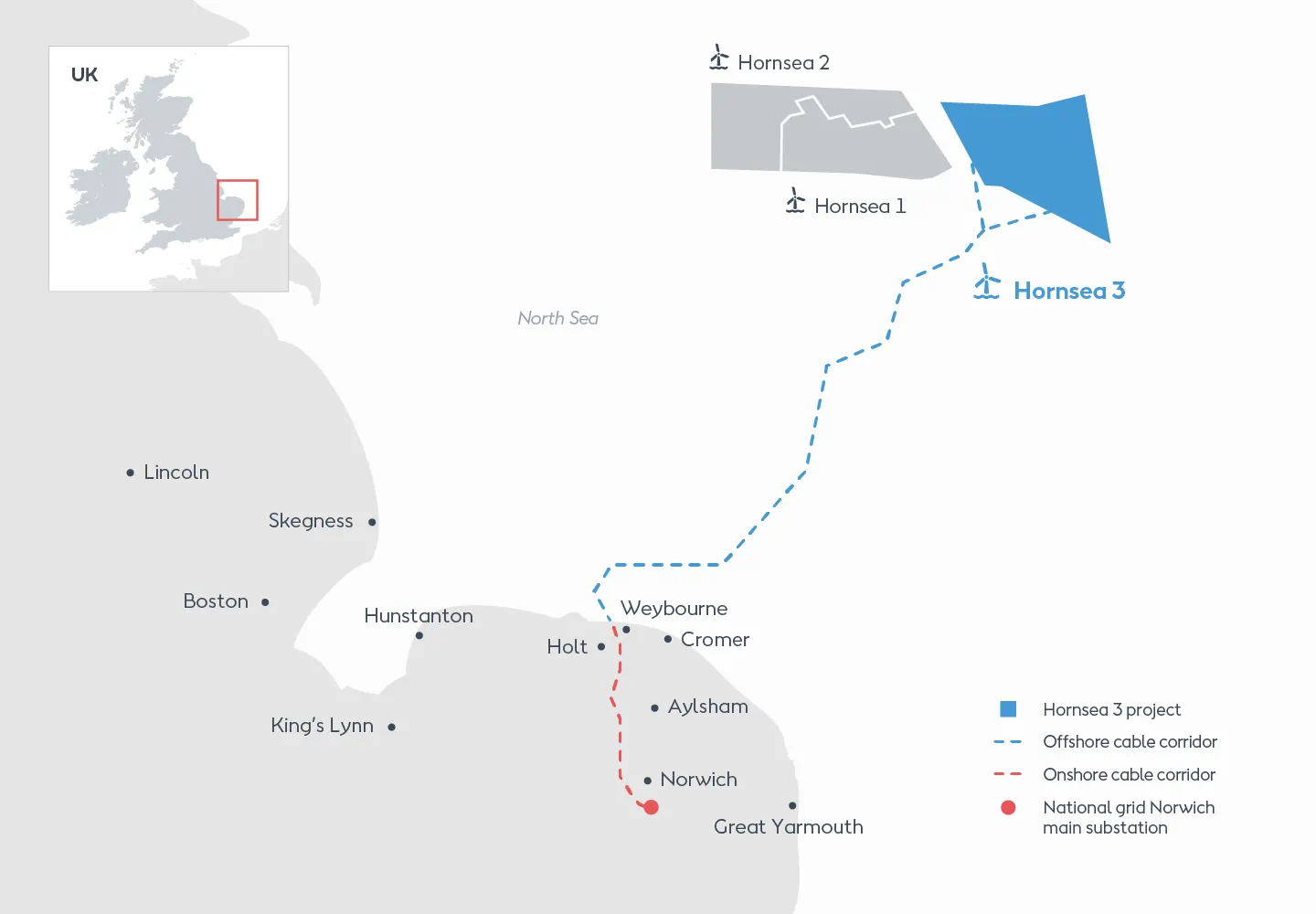
The energy transition requires large-scale investment in new energy infrastructure. One project that clearly illustrates this development is Hornsea 3, Ørsted’s offshore wind farm currently under construction off the British coast. With a planned capacity of 2.9 GW, the wind farm will be able to generate enough renewable electricity to power more than three million British households.
Severfield is also contributing to this major energy project. From the United Kingdom, our colleagues are working on various steel components that will form part of the Hornsea 3 offshore infrastructure.
64 steel structures for offshore use
For Hornsea 3, Severfield is working directly with Ørsted and its strategic partner, Hutchinson Engineering. Together, they are producing, assembling and preparing 64 large steel components for use at sea.
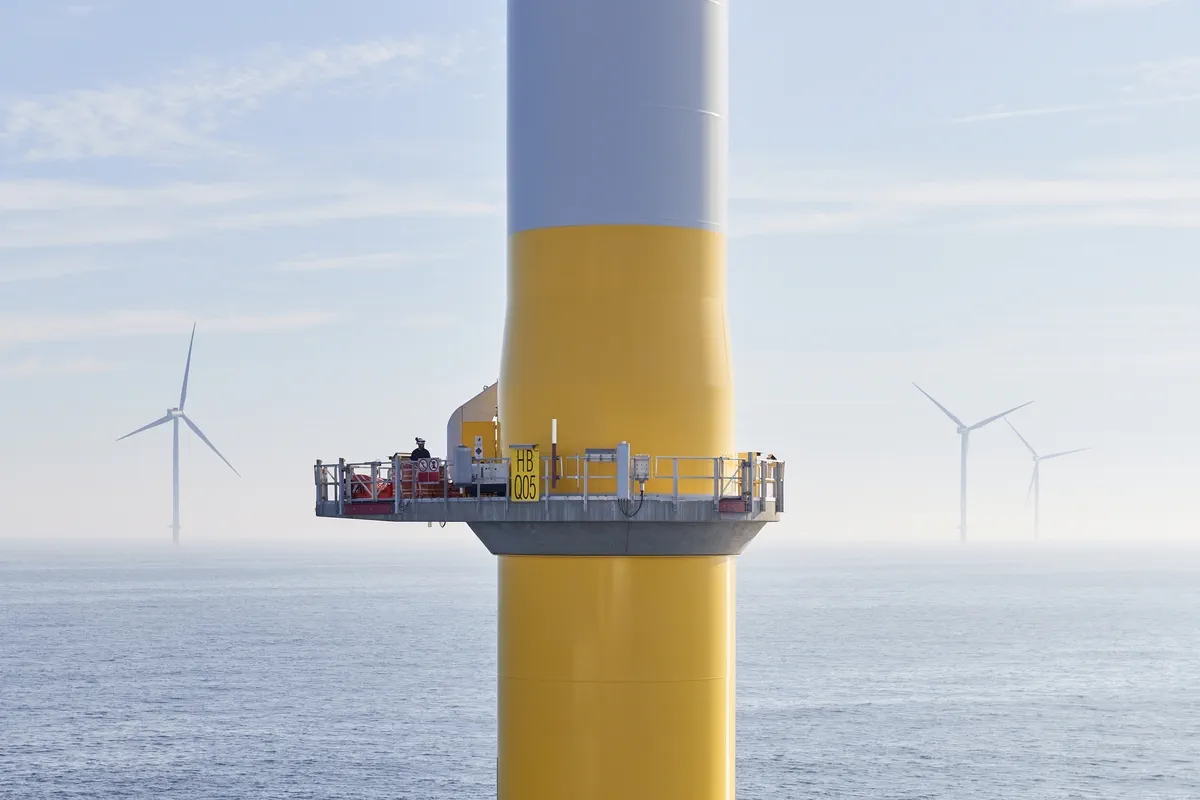
These structures fulfil various functions within the offshore wind turbines. For example, they enable safe access to the structures and help protect against corrosion in the demanding conditions of the North Sea.
It is precisely these conditions that place high demands on the engineering, production and finishing of the steelwork.
A production site set up specifically for the project
The sheer size of the structures also calls for a different approach. Some structures, for example, have a diameter of up to approximately 14 metres. As a result, traditional production and transport methods are not always practical.
To enable the efficient production and assembly of the various components, Severfield has therefore set up a temporary production site at Teesworks in Teesside.
The site has been specifically set up for Hornsea 3 and comprises temporary production buildings, specialised areas for surface treatment and a production hall with six production lines and overhead cranes. Work such as final assembly, electrical installation and Factory Acceptance Tests of the Supported Internal Platforms also takes place here before they are stored and ultimately installed offshore.
By bringing production, assembly and preparation together at a single site, the process can be tailored to the scale and specific requirements of the project.
Investing in new knowledge and skills
Hornsea 3 not only requires adapted production facilities. Within the organisation, too, investment is being made in the specialist knowledge required for offshore projects.
Staff have received additional training in advanced welding and assembly techniques. In addition, a full-scale model of a boat landing has been built, enabling work and processes to be tested in advance and staff to be trained.
In this way, the project contributes not only to the realisation of Hornsea 3, but also to the further development of knowledge and capacity within Severfield for future offshore energy projects.
Knowledge and capacity within a single Severfield
Hornsea 3 demonstrates the specialist engineering, production capabilities and project expertise available within the wider Severfield Group for complex energy infrastructure.
For Severfield Europe, projects such as Hornsea 3 provide an insight into the capabilities and experience available across the Group. As investment in energy infrastructure continues to grow across Europe, sharing knowledge and expertise across Severfield can help strengthen our capabilities in these developing markets.
Hornsea 3 is a strong example of the scale and technical complexity of projects being delivered within Severfield, combining specialist expertise, dedicated production facilities and new ways of working.